

Bean to Cup Filter Coffee Machine
A bean to cup filter coffee machine offers a top quality, self-service solution for workplaces. It also has a fast delivery of drinks and the ability to reduce energy consumption when it enters eco-mode.
They're easy to use and offer consistent results. You simply add fresh beans to the hopper, swipe it and select the drink you prefer and then wait.
1. Simple to use
In contrast to traditional coffee machines bean to cup filter machines provide an entirely hands-off experience. In contrast to espresso machines which require users to fill the portafilter with ground coffee, tamp it, lock it in the group, and then put it in a knock box (similar to what a barista would do) The bean to cup machines have an hopper and grinder which manages everything on its own. All the user has to do is choose their drink choice and the machine does everything else, excluding emptying the cake tray of used grounds and refilling the water tank.
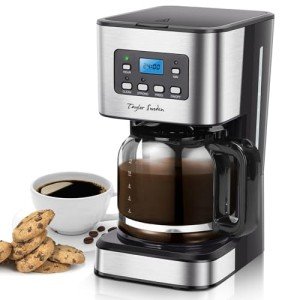
All of the top bean to cup machines will have a range of pre-programmed drinks. This means all you have to do is tap or swipe the glass touch screen and your coffee is ready in just a few seconds. If you're looking for a specific preference for the brew, most machines allow you to customize the settings.
Most bean-to-cups come with steam wands that allow you to create classic milky drinks like lattes or cappuccinos. Some offer dual-height drip trays and adjustable spouts, which can be helpful if you're serving various sized cups.
The Sage Barista Touch Impress is a great example of a premium advanced bean to cup machine that is simple to use and comes with an impressive array of features. It can make flat-white, cappuccino, latte or espresso, and guide you through the process with an attractive color touch-screen display.
The majority of the top machines for making coffee in a cup will come with different grind settings. This lets you adjust the size and flavour of your beans. They also come with a selection of pre-programmed beverages. And depending on the model, they might come with an app that can guide you through the process. These apps can also act as a reminder to wash your machine, empty the bins, and change the water tank.
2. Versatile
Modern bean to cup machines can make both espresso-based drinks as well as coffee-based drinks. Certain machines can make cappuccino and Ristretto-style coffees. However, if you really want to create some of those less well-known coffee shop staples, you should consider more specialist options. These machines make use of ground beans instead of pods that are pre-packaged and have more customizable settings than models that use pods. You can choose from a variety of roasts and grind sizes as well as aromas, and you can alter the strength of your beverage to ensure it is perfect for you.
Most bean-to-cup machines can be used with cartridges and coffee beans. However, you may prefer pods or ground coffee. Ground coffee tends to be more flavorful and can be adjusted to stronger or weaker brews and is generally less expensive than coffee pods over time. If you're unable to make a decision, then you should consider an option that works with both and give you the best of both worlds.
A lot of the latest coffee machines come with a built-in milk steamer which can be used to froth or texture your favorite drink. This is essential when you're trying to learn how to make milky drinks such as lattes or cappuccinos. It's also a great way to learn basic barista skills at home.
The majority of coffee makers have saved settings which allow you to select the beverage you prefer with a single touch. This ensures that the identical quality is created each time. This is a huge advantage that eliminates guesswork and ensures that every cup of coffee you brew is of the highest quality.
A fully automatic bean to cup machine is a great choice for a busy cafe or restaurant as it offers a hands-off experience, and is stocked with your favorite coffee beans to ensure you always have fresh, top quality coffee available. Precision brewing reduces the amount of loss, increasing your profits, and gives your customers the flavor of coffee they love.
3. Easy to clean
A bean-to-cup coffee machine employs a totally different extraction system from traditional machines. Instead of using a portafilter which is manually dosed (the proper amount of ground coffee added) then tamped and locked into the group, these machines employ the gearing mechanism to dose' the ground coffee, which is then tamped by computer before being knocked out internally into a knock box. This means the process is more efficient and takes less time than making only one portafilter per drink.
The distinction in the extraction process also makes it easier for you to clean your bean-to-cup coffee machine. Like any commercial coffee maker, you will need to clean it on a daily basis, regardless of whether you are using freshly ground beans or pre-ground coffee. Regularly cleaning and de-scaling drip pot coffee maker can reduce charges for call-outs and ensure it's functioning at its best.
Modern filter coffee makers that are bean-to-cup have an integrated descaling system that will inform you if it's required. This should be done once per month, or more frequently in the event that your water is hard. Certain manufacturers offer a coffee machine water filter which can reduce calcium levels, preventing the build-up of harmful limescale.
Regularly cleaning your milk system is also essential to get rid of bacteria and to remove the greasiness. Most modern bean to cup coffee makers have automated programs to clean and rinse the milk system. These programs make use of antibacterial fluids to get rid of bacteria from the system.
It is also necessary to clean the brew group mesh on a regular basis and this is because it could become clogged with coffee oils. This could result in the extraction being uneven, and negatively affect the taste of your coffee. This can be accomplished by removing the group of brews and then soaking it in water containing a cleaning tablet. This will get rid of any unwanted coffee residues and ensure that your brewing process is regular.
4. Easy to maintain
If you aren't keeping up with cleaning and descaling your bean-to- cup filter coffee maker, limescale will accumulate on heating elements and boilers. This can lead to a gradual loss in efficiency, and in time could lead to permanent failure. To avoid this, you should regularly use a hard water and limescale water filter in order to reduce the minerals entering your machine.
It is also worthwhile investing in an anti-calcium programme to get rid of any calcium deposits. This should be done every week or more frequently based on your usage.
Bean to cup filters are completely automated unlike traditional espresso machines. This means that baristas are not required to manually dose and tamper a portafilter before every coffee. This makes them much easier to use, and is particularly important if your employees are not barista-trained.
Cleanliness is the primary benefit of a coffee machine which converts beans into cups. They usually have automatic cleaning and descaling functions as standard, which can be accessed by pressing an button, making them easy to maintain. It's not a bad idea to have a plan of service for your bean-to-cup coffee maker, however this will ensure that any issues are dealt with quickly and efficiently.
It is also crucial to flush your milk system using a machine-friendly cappuccino cleaner. This will prevent obstructions and will help you meet health and safety guidelines.
As a rule, you should perform a cleaning cycle each day. This is essential as it will help to ensure that your machine remains in top working order and will allow you to serve high quality drinks.
Descale your coffee maker at least once a week. If you don't do this then a thick layer of sludge will form on the internal surfaces that will not be removed even by the most powerful descalers. Use a limescale and hard-water filter in your coffee maker to minimize the amount of minerals that get into it.